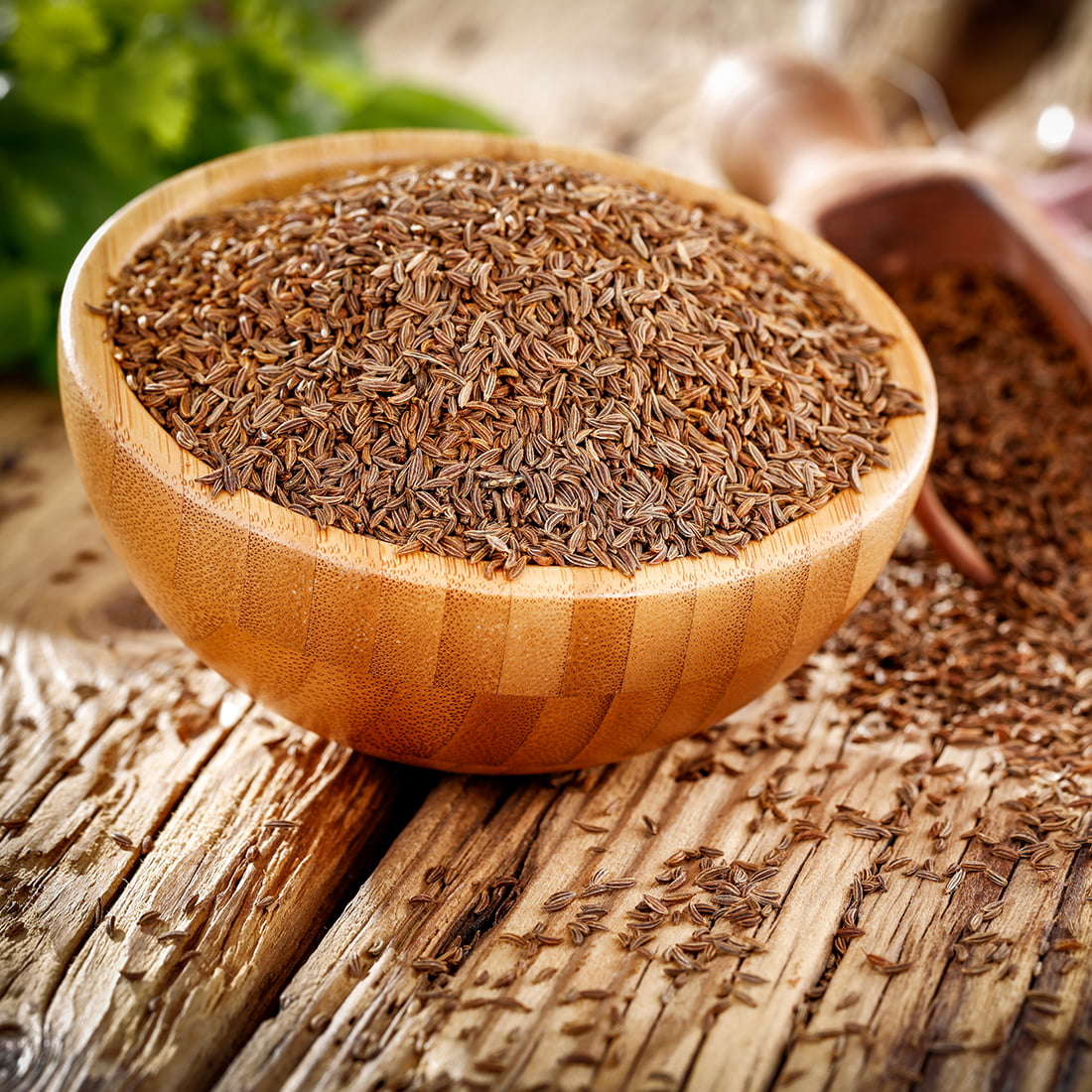
Cumin seeds are used in many different cuisines and with many different dishes. Using cumin with other spices can highlight different flavor qualities. For example, in curry and other Indian dishes, cumin seeds might be paired with turmeric which will deepen the earthy and slightly bitter notes. In Mexican and Tex-Mex cooking, like in fajitas, cumin and coriander are often used in combination, which pulls out the bright and citrusy notes. Cumin seeds also pair well with lentils and root vegetables and are often found in soups – like our Cumin Carrot Soup.
Fennel Seeds
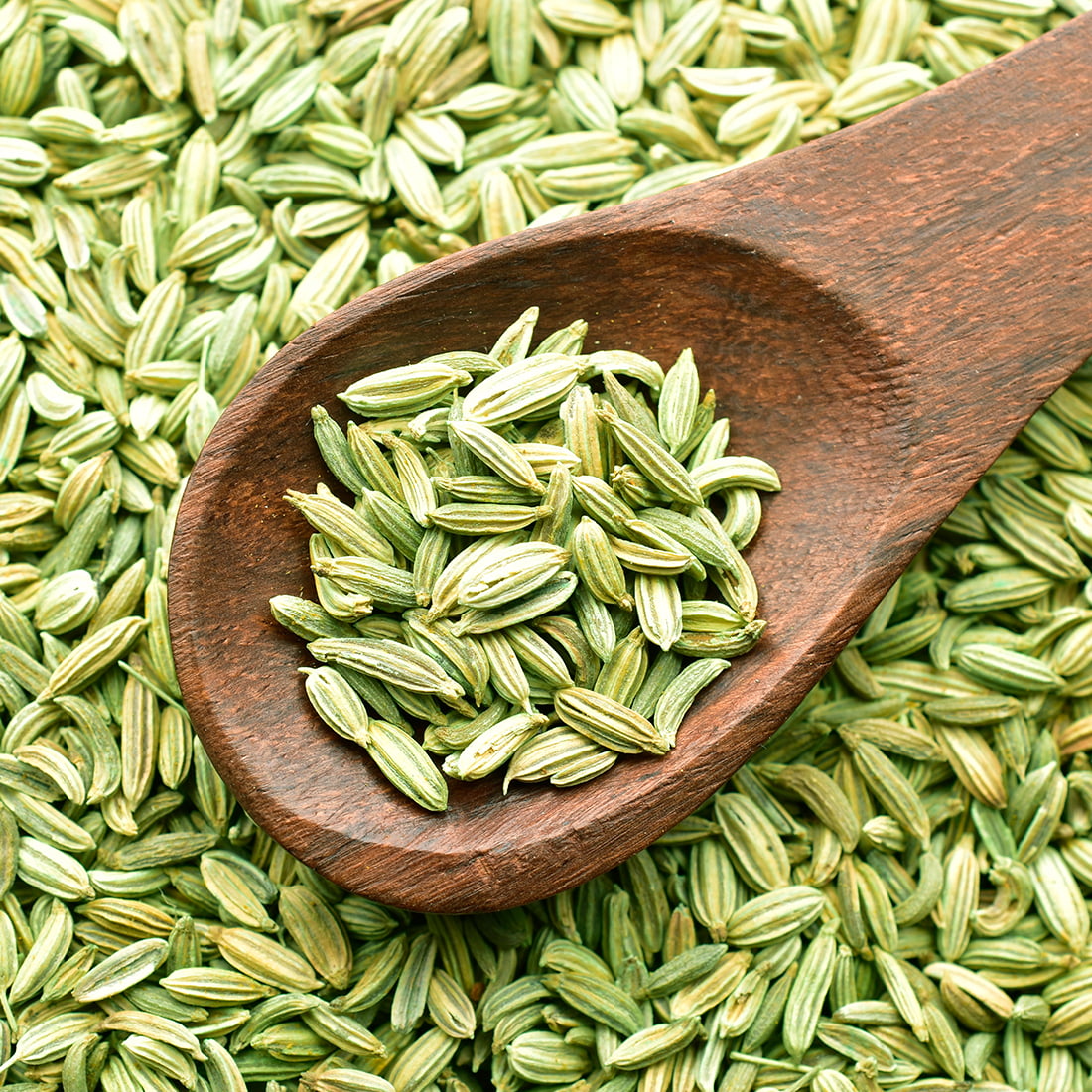
Traditionally, fennel has been used as a carminative agent. It may help remove the accumulated gas from the stomach, relieving bloating. Fennel water may also manage flatulence (gas) in infants. Fennel seeds may promote the release of digestive secretions necessary for good digestion and absorption of food. Fennel extract might be used for its protective activity against stomach damage. However, you need to reach out to your healthcare provider if you experience stomach problems. Fennel seeds contain a range of nutrients helpful for human health. Fennel seeds contain multiple vitamins minerals, and fatty acids as well.
Ajwain Seeds
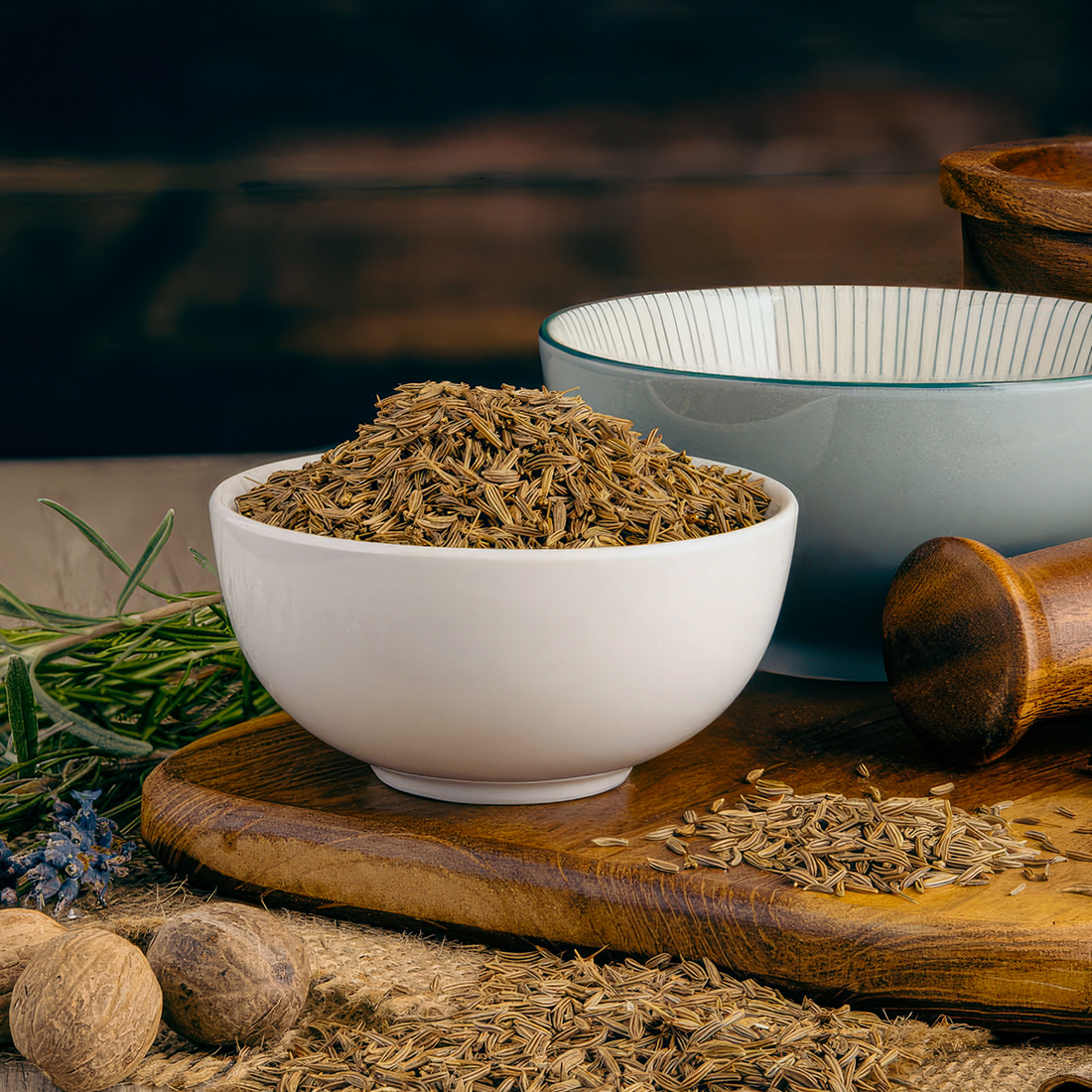
Ajwain has been consumed in raw and cooked forms since ancient times. The spice can take over most dishes with its intense taste and robust flavor. Ajwain has an aroma similar to thyme and a slightly bitter, herbal taste with notes of fennel, celery, or cumin seeds. In the Indian kitchen, Ajwain is used to flavor curries, pastries, samosa shells, parathas, and rotis. It is widely used as a seasoning for curries. You can find a mixture of ajwain with whole fennel and sugar cubes in front of every restaurant in India. It serves the purpose of digestive aid after heavy meals and gives a fresh smell to your breath.
Dry Ginger
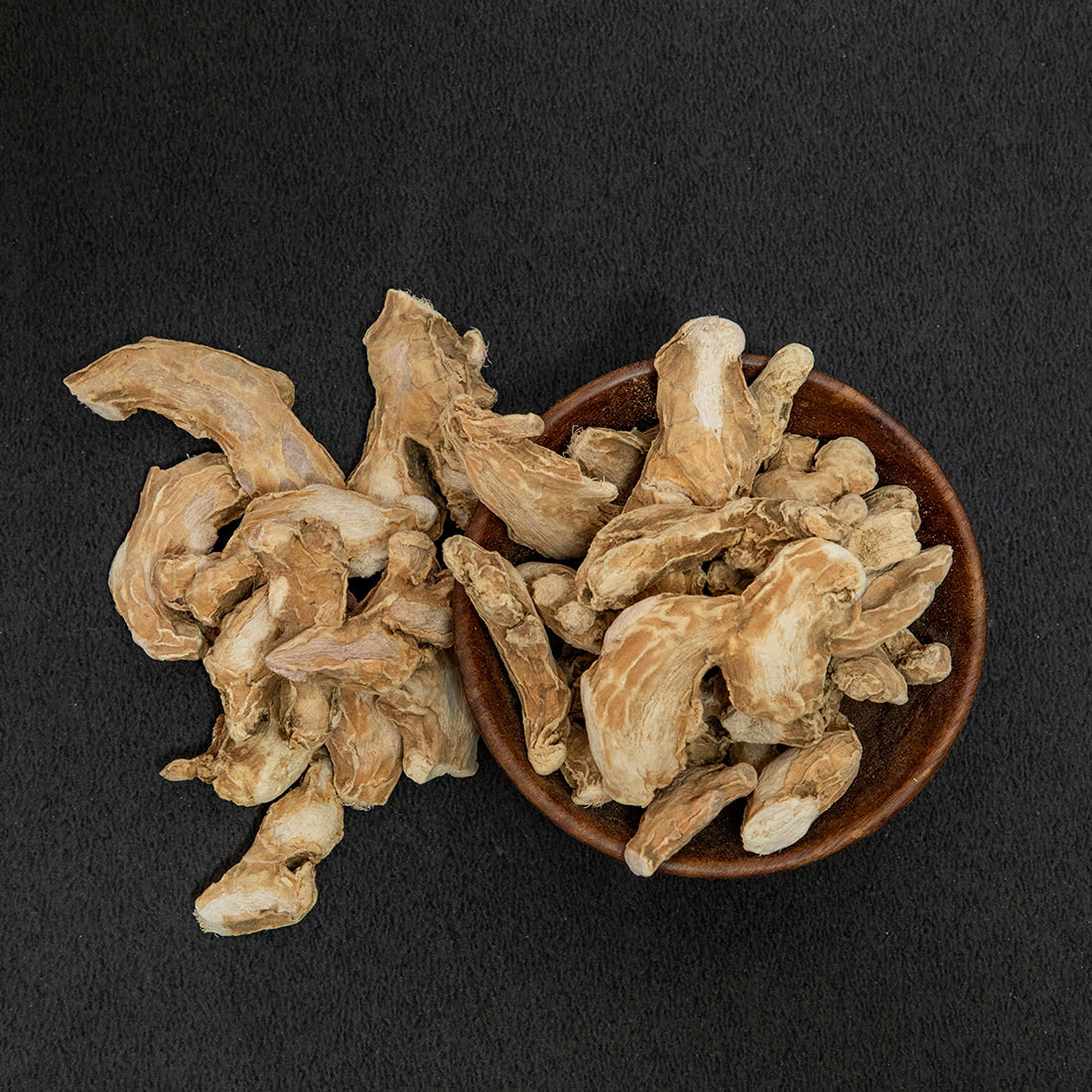
A daily cup of tea is incomplete without the addition of ginger, also known in India as ‘adrak’. It imparts a subtle spice and an invigorating aroma. Beyond its role as a tea flavoring, ginger serves medicinal purposes, offering relief for nausea, digestive problems, and common seasonal flu symptoms like colds and coughs. It contains compounds that possess anti-inflammatory properties, potentially assisting in managing inflammatory conditions and easing muscle and joint pain.
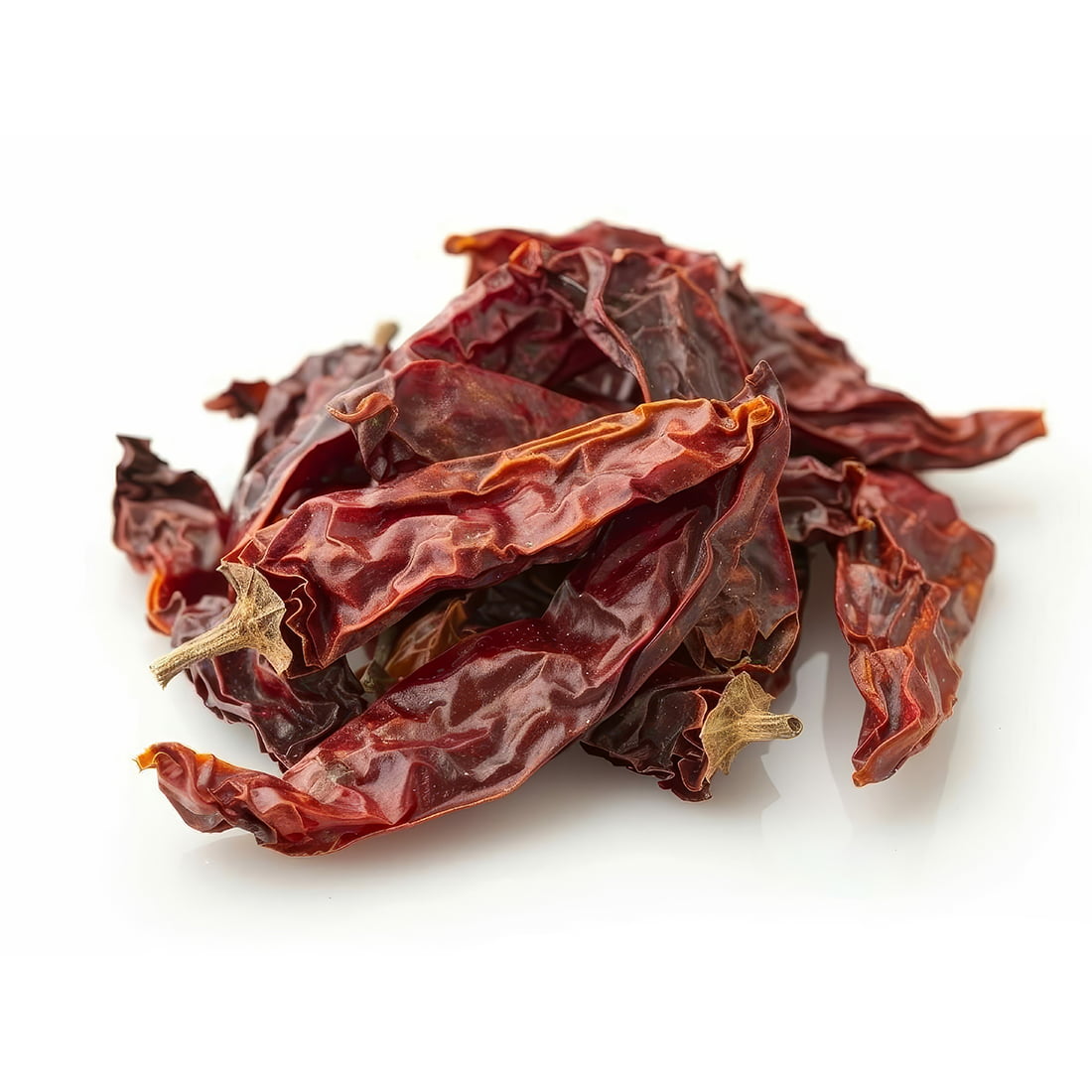
Dry Red Chilli
Chilis doesn’t have a set recipe, so you can try different things to see what you like. They are full of vitamins and minerals, and since you eat less of them, they help you get the right amount of nutrients. Some dried chilies, like cayenne, help lower cholesterol, triglyceride, and platelet levels and stop platelets from sticking together. They also make your body better at breaking down fibrin, which is a substance that makes blood clots. People who eat a lot of food that has hot peppers in it are less likely to have a heart attack, pulmonary embolism, or stroke.
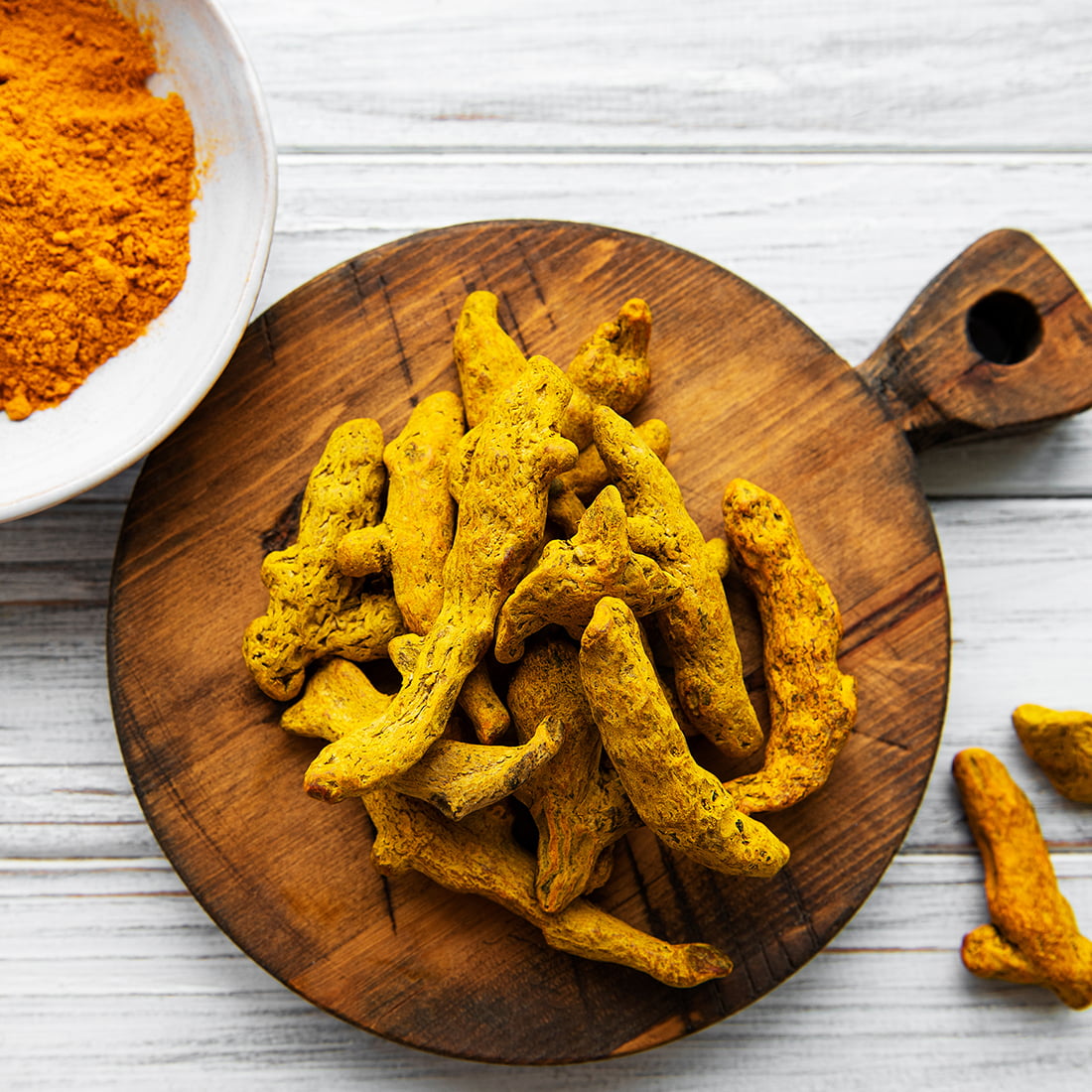
Turmeric Finger
Turmeric is a yellow-colored root that belongs to the family of ginger. The whole turmeric is a tuberous rhizome, with rough, segmented skin. The rhizome is yellowish-brown in color with a dull orange interior which looks bright yellow when it is powdered.
Turmeric finger is the purest form of turmeric. It is used to flavor and to color food. It is also used in medicines, food, and dyeing processes. Turmeric powder is made with turmeric fingers. Turmeric is mostly cultivated in India, Thailand, Taiwan, and other Southeast Asian countries. India is producing different varieties of turmeric and it is the largest producer and consumer of turmeric.
Some of the popular grades of Indian Turmeric Finger are Aleppo Finger (Kerala), Erode Finger from Tamil Nadu, Rajapuri Turmeric from Sangli (Maharashtra), Nizamabad Turmeric from Andhra Pradesh, and Cuddapah Turmeric from Andhra Pradesh. Indian Turmeric Fingers have four types, which are Turmeric Finger Bold, Turmeric Finger Curcuma, Turmeric Finger Sannam, and Turmeric Finger Bulp.
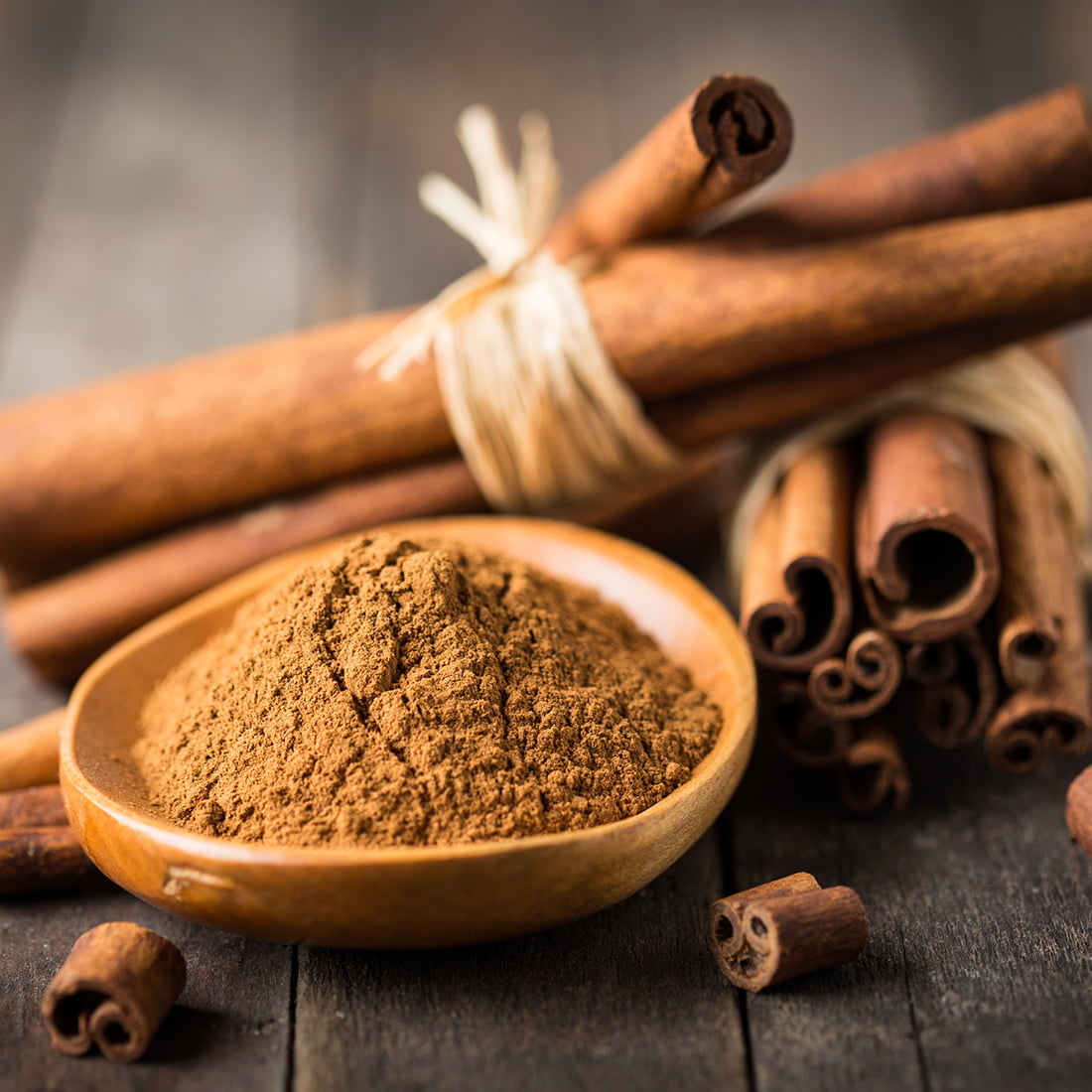
Cinnamon
Cinnamon is a common spice option found not just in Indian pantries but also around the world. Known by the name of dalchini in India, cinnamon is collected by drying and processing the inner bark of the tree. Not just for cooking, there are also several health benefits of cinnamon. cinnamon is also used as a whole in dishes such as pulao and biriyani.
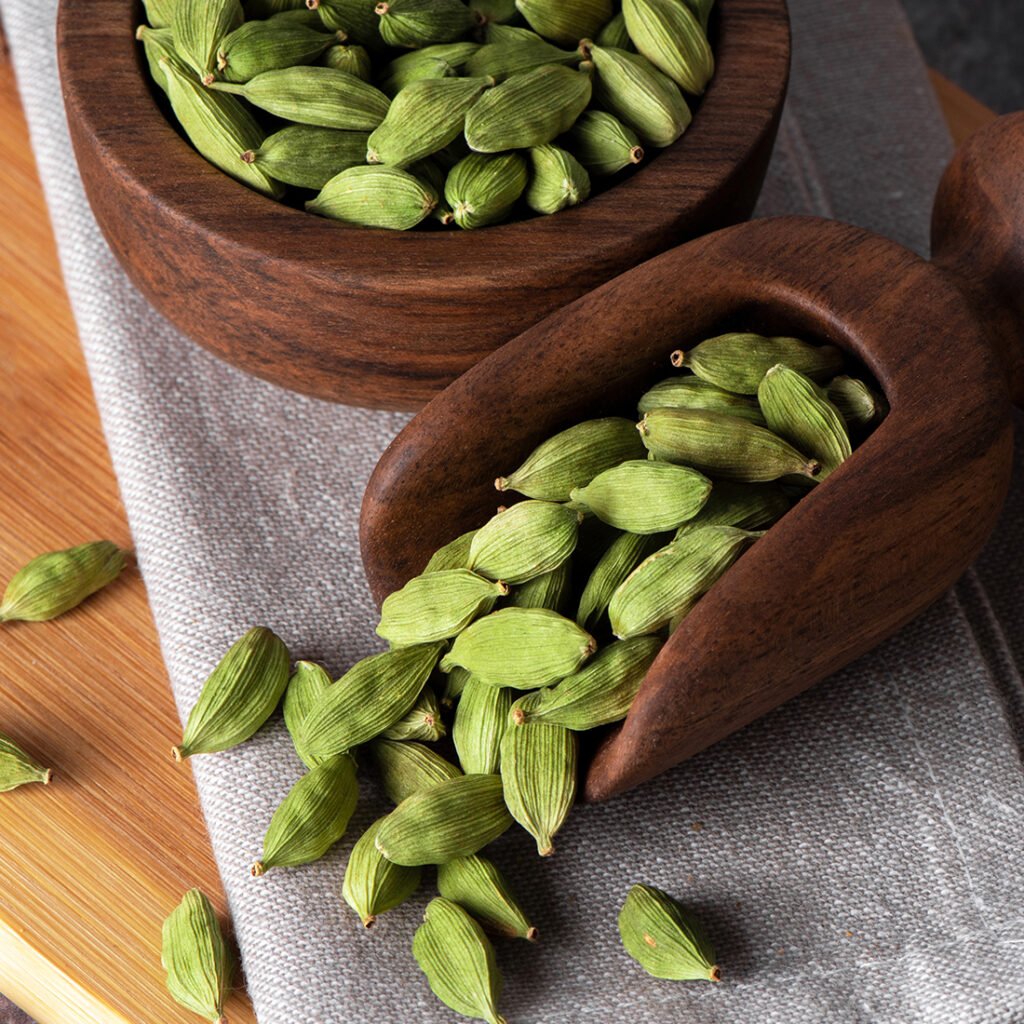
Green Cardamom
Cardamom is an herb that is often used as a spice in foods. The seeds and the oil from the seeds are sometimes used to make medicine. Cardamom contains chemicals that might kill some bacteria, reduce swelling, and help the immune system. Cardamom is used for digestion problems including heartburn, intestinal spasms, irritable bowel syndrome (IBS), constipation, liver and gallbladder complaints, and loss of appetite. It is also used for common cold, cough, bronchitis, sore mouth and throat, and tendency toward infection.
GROUND SPICES
Black Pepper Powder
Black pepper is a ubiquitous spice that has been used for centuries to flavour food and enhance its health benefits. Black pepper is derived from the dried berries of the Piper nigrum plant, a vine native to India. Its pungent aroma and sharp, biting flavour have made it a staple in cuisines around the world. Black pepper possesses a unique flavour profile that enhances the taste of other ingredients without overpowering them.
Psyllium Husk and Powder
Psyllium husks are a kind of fiber made from the husks of psyllium seeds from the Plantago species in Asia. The husks may be powdered and constitute a good source of soluble fiber. Soluble fiber absorbs water in the digestive tract, slowing digestion and the absorption of numerous nutrients included in your diet.
While psyllium is commonly used as a laxative, it also has a variety of other health advantages, including short- and long-term glycemic management, weight loss, cardiovascular health improvements, and relief from gastrointestinal difficulties including constipation. Psyllium is also gluten-free, making it acceptable for those who have celiac disease.
Chilli Flakes
Chilli flakes, sometimes known as “crushed red pepper flakes,” are used as a garnish on a variety of foods, including pizza, stir-fries, hot spaghetti, and many more. To add heat, you may whisk them into sauces. The type of dried chilli used to prepare them—most frequently cayenne—determines how fiery they are.
The flakes’ biggest feature is that they may be customized to your preferences. It might be a little intimidating to cook for the entire family. For various palates, there are various flavors and intensities of flavors. Therefore, add a little if you don’t like it too spicy and more if you do.
Red Chilli Powder
Red chilli powder is a staple spice used all around in India in various cuisines. Also known as Lal Mirch powder colloquially, this spice is treasured for its fiery hot taste which it gives to any dish it is added to. Red chillies, from which this spice is extracted by drying and grinding, is abundant in India. Red chillies are high in potassium, and so is their powder. Potassium relaxes the blood vessels in your body and helps maintain blood pressure levels. They also have capsaicin, an active component which reduces blood pressure and improves circulation.
Turmeric Powder
Though it has been used across India for centuries, Turmeric powder has quickly become a global sensation because of its inviting yellow color and myriad health benefits. Turmeric powder is a known antioxidant and has anti-inflammatory properties. It is used in many Indian dishes to add its signature bright yellow color and to balance the bold flavors of other masalas. It can also be had directly in a cup of milk for a delicious and healthy treat.
Green Cardaom Powder
Green cardamom is a fragrant spice that can be used in a lot of different ways. The plant has underground stems with leafy roots, big white or pale green leaves, pale green fruits, and black seeds. The spice has a strong smell and taste that stays with it for a long time. Not only is the whole pod used as a flavoring, but also the powdered black seeds and the skin.
White Onion Powder
White onions are super-healthy with Vitamin C, flavonoids, and phytonutrients. Among other Allium vegetables, onions are healthier. Intake of white onion is good in taste but also loaded with innumerable health benefits. It reduces the risk of cancer with the help of flavonoids present in it. The richness in antioxidant properties helps to treat cardiovascular diseases, and heart problems and improves gut health.
Green Mint Leaf Powder
Mint is one of those herbs which are used by people all around the world in different ways. Due to the refreshing properties of mint, it is often found used as a flavoring agent. However, mint leaves can do a lot more than just flavoring the foods. Mint is a nutrient-packed plant. The leaves contain phosphorus, calcium, and vitamins like C, D, E, and A. All these vitamins and minerals contribute to boosting the immune system and improving the immune response. Sprinkle overcooked foods like salads and curries.


 Whole spices